

Summer School
One Health Approaches to Climate-sensitive Infectious Diseases and Nature-based Solutions
Rotterdam, The Netherlands | Heidelberg, Germany
17-28 August 2026
Join us in Rotterdam and Heidelberg this summer and deepen your understanding of the One Health methods and practical tools to study and address risks of infectious diseases. In this summer school, we will focus on connections between infectious diseases, Nature-based Solutions (NbS) and climate change and equip you with fieldwork, lab and modelling approaches.
Context
Intensifying climate change and human activities to adapt to its threats, such as NbS impact ecosystems and create new socio-ecological interactions changing the transmission dynamics of infectious diseases. Addressing these intertwined challenges requires researchers and practitioners work across disciplines, integrate diverse data sources, engage communities, and design novel approaches to monitoring and actions.
Our summer school
This summer school will bring together early-career researchers, practitioners, and students for a transformative 2-week learning experience in Rotterdam (NL) and Heidelberg (DE). The programme will offer theoretical basis and hands-on training in novel approaches to One Health data collection and analysis, including practical fieldwork and lab training, and analyses of the data through modelling workshops, as well as soft skills and a unique opportunity to network with speakers and participants.
Main organisers
ErasmusMC and Heidelberg University have joined forces, to bring together a unique programme that will equip participants with the practical and conceptual tools needed to understand and respond to changing risks of vector-borne diseases.
2
cities
The summer school will be held in Rotterdam and Heidelberg.
30 students
From different disciplines and countries.
12
days
Of learning and working together.
Progamme
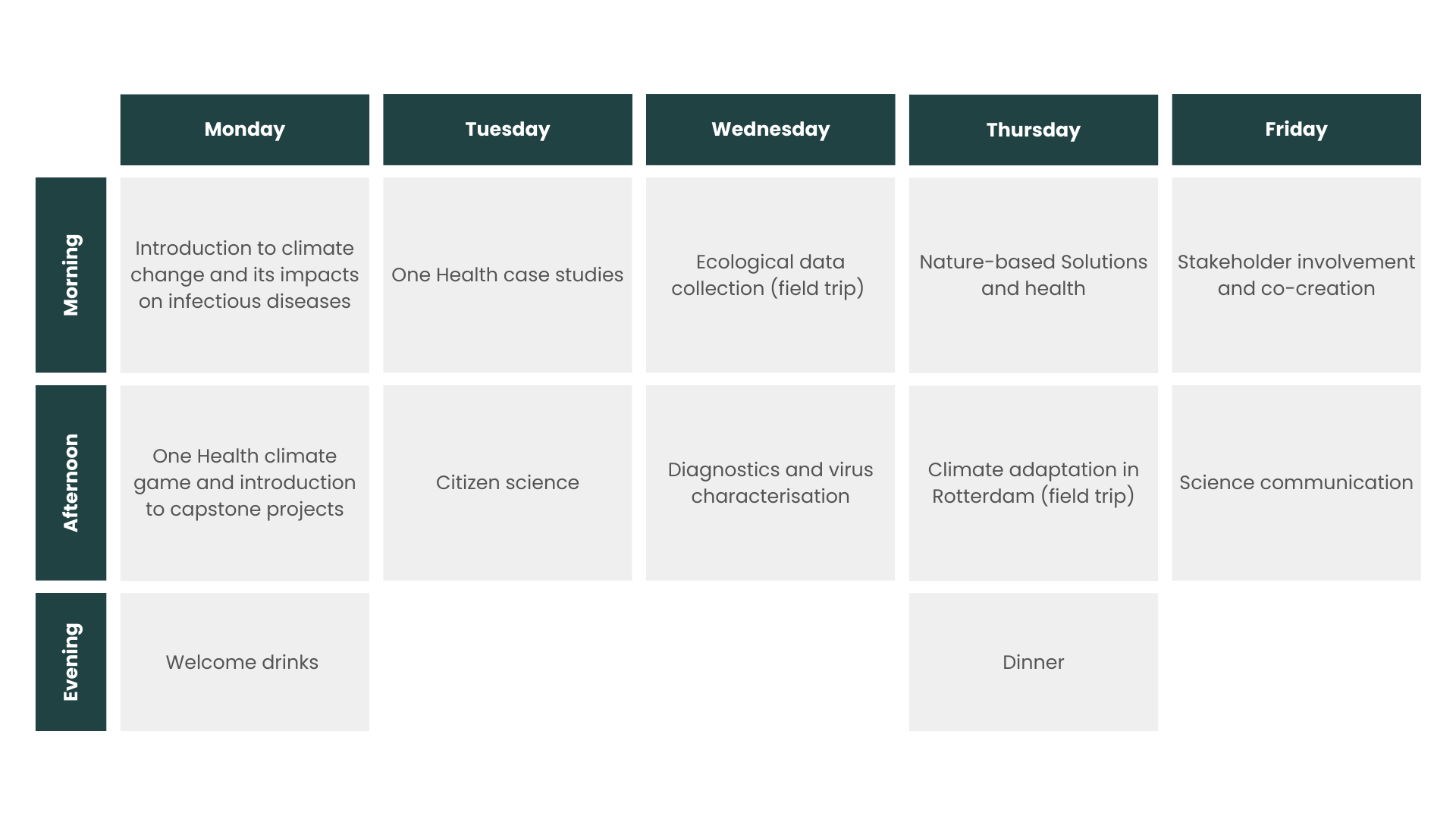
Week 1 will be hosted by ErasmusMC in Rotterdam, The Netherlands. Additional programme details will be available later on. Subject to modifications.
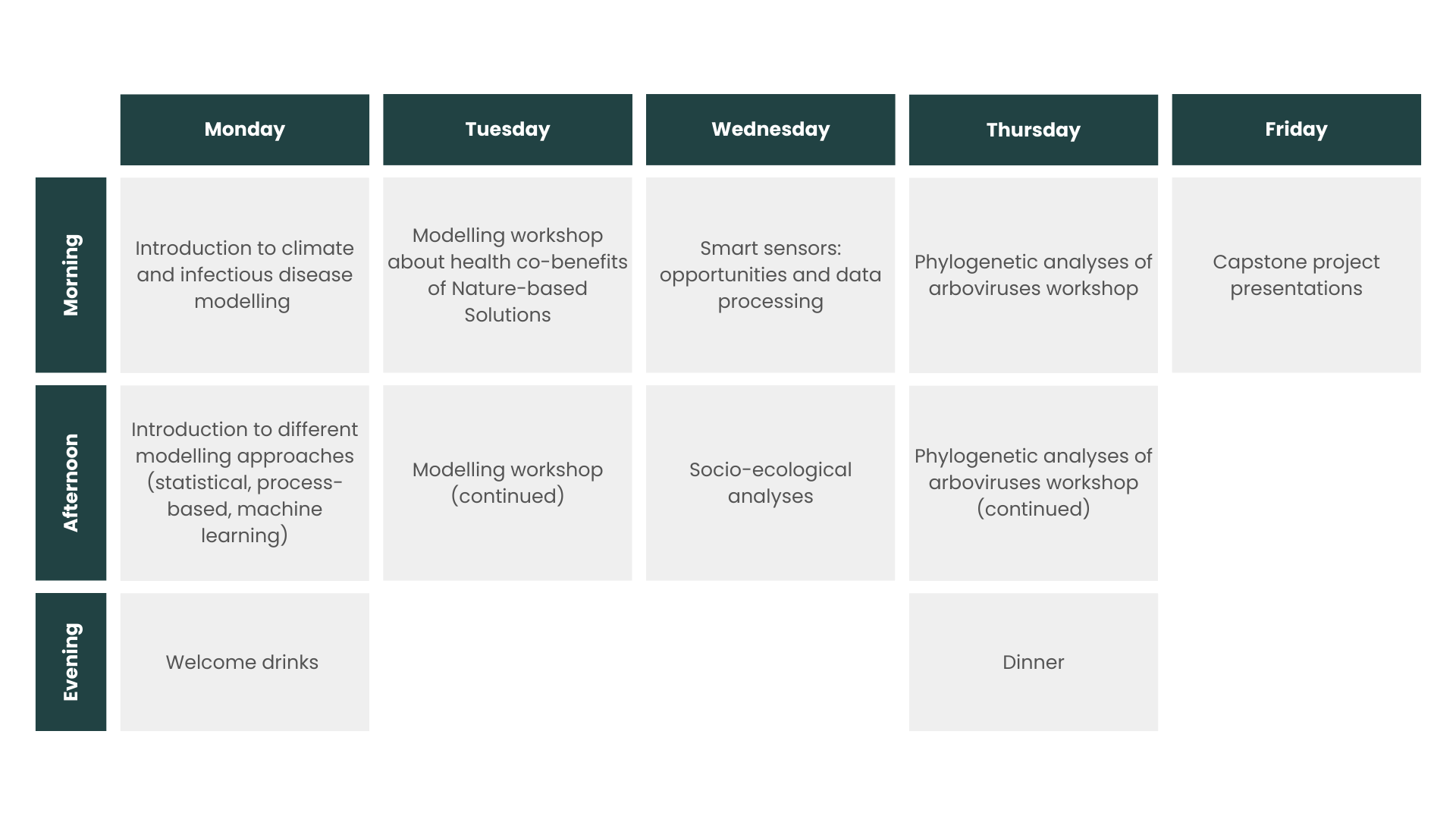
Week 2 will be hosted by Heidelberg University. Additional programme details will be available later on. Subject to modifications.
Speakers
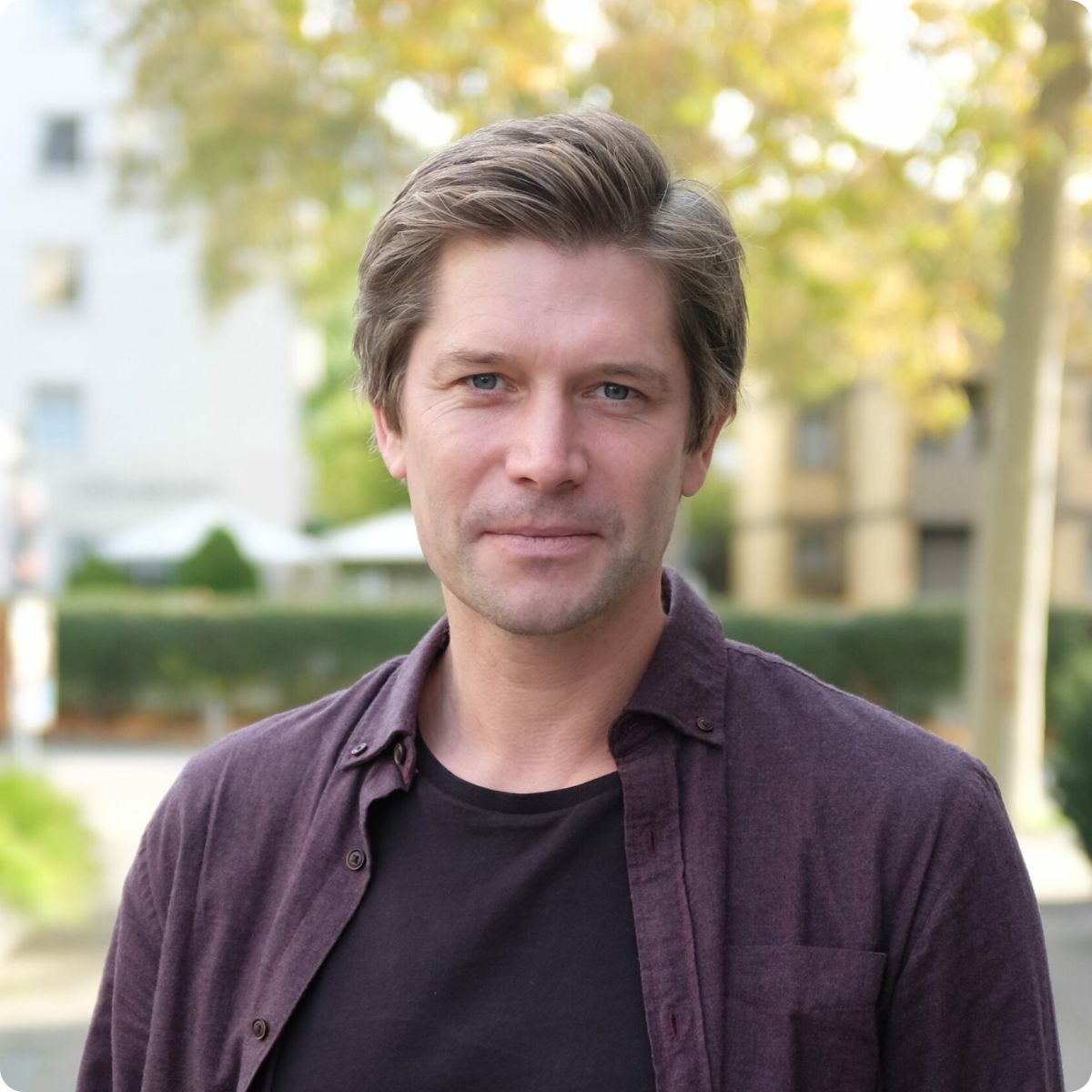
Joacim Rocklöv
Heidelberg University
Joacim Rocklöv is an Alexander von Humboldt Professor and epidemiologist at Heidelberg University, leading the Climate-sensitive Infectious Disease Lab. With a background in mathematics and statistics, his research integrates epidemiology, climate science, and data science to advance climate-informed infectious disease modelling and pandemic preparedness.
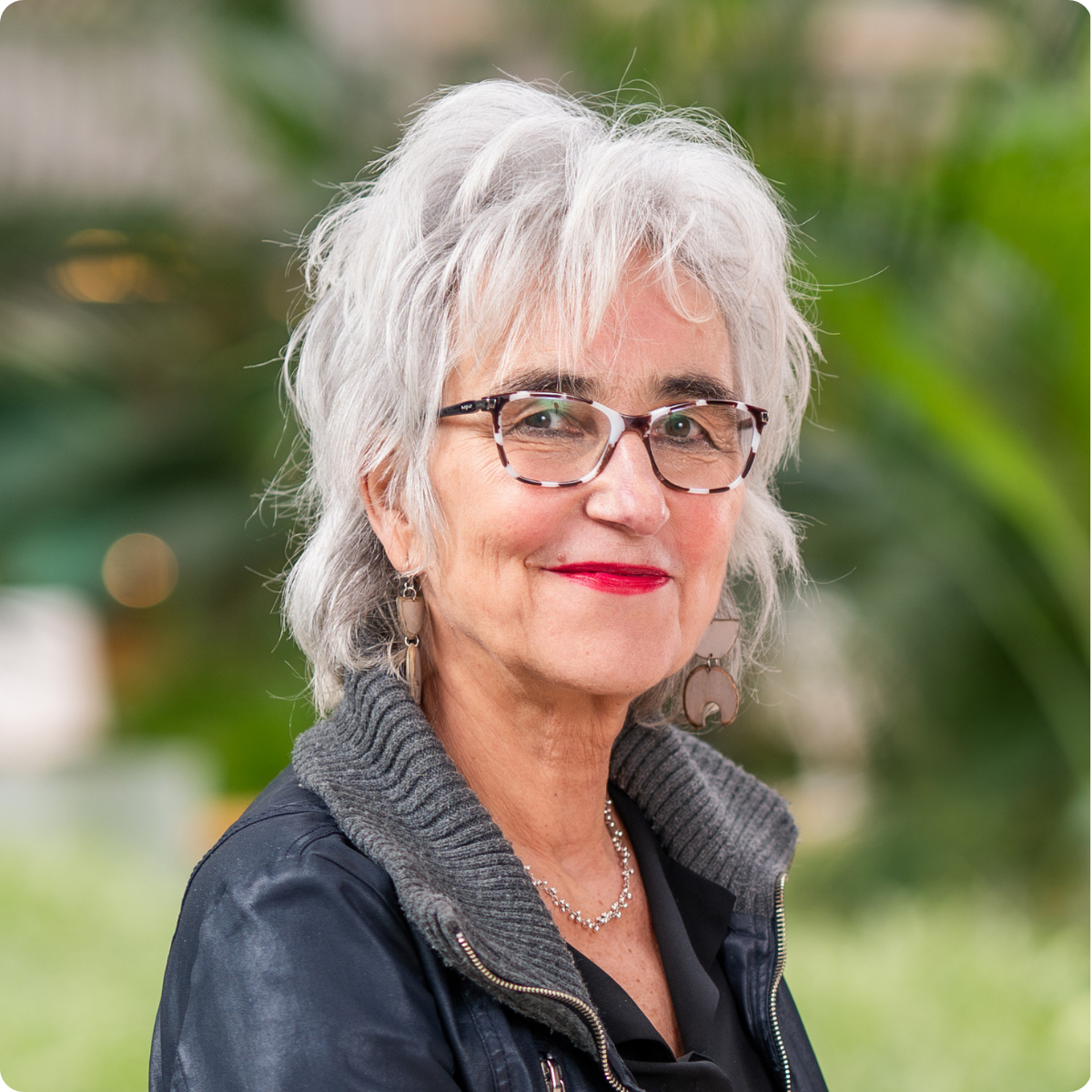
Marion Koopmans
ErasmusMC
Marion Koopmans is Professor of Public Health Virology at Erasmus MC and a global leader in emerging infectious disease research. She directs multiple One Health and pandemic preparedness initiatives, advises governments and WHO, and leads large international surveillance networks addressing disease emergence and spread.
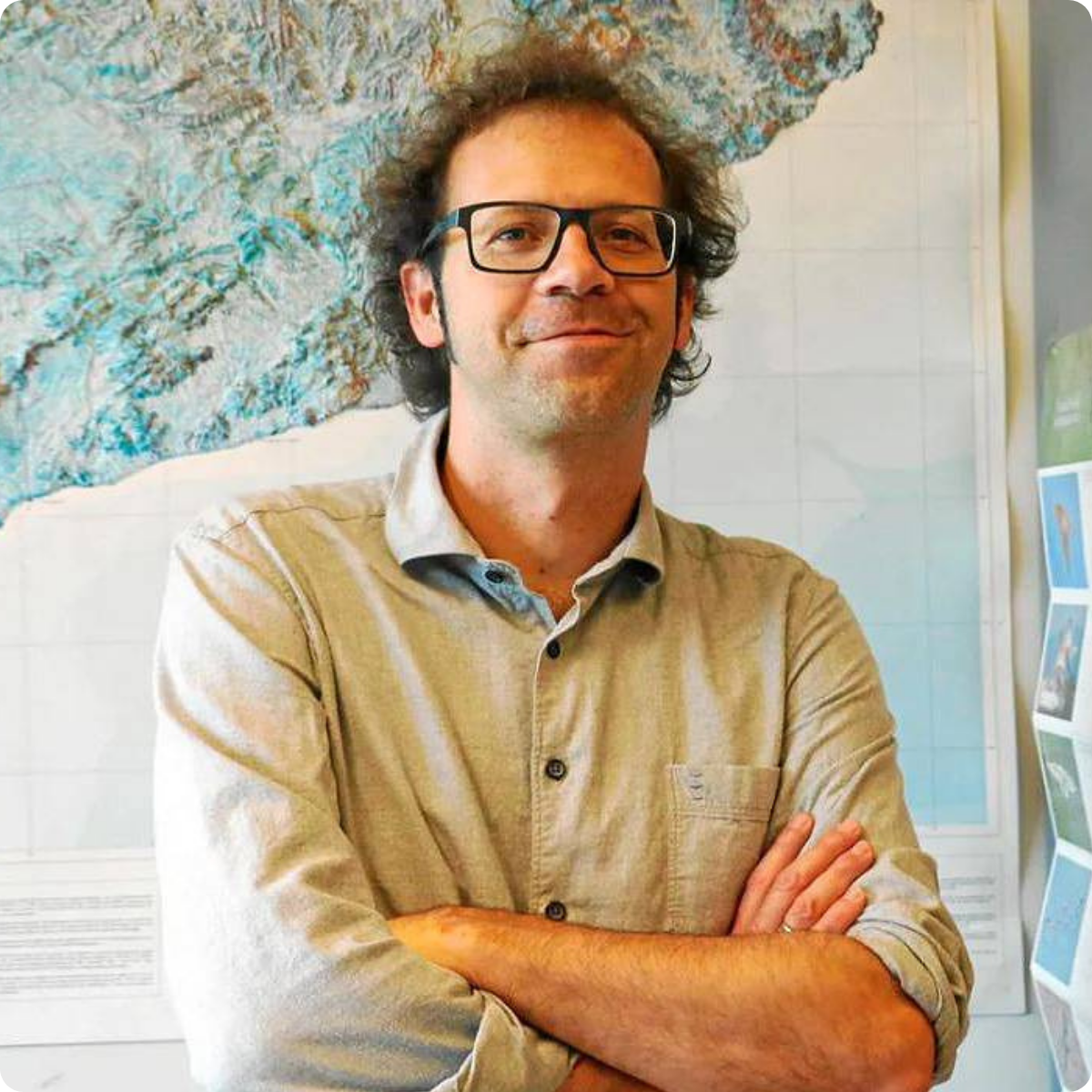
Frederic Bartumeus
CEAB-CSIC
Frederic Bartumeus is an ICREA Research Professor in computational and theoretical ecology at CEAB-CSIC. His interdisciplinary research combines theory, computation, and novel data streams to study animal movement, disease ecology, and vector-borne diseases, bridging fundamental ecology with real-world applications and citizen science.

Maike Tietschert
Erasmus University
Maike Tietschert is a healthcare management scholar and transdisciplinary researcher focused on sustainable healthcare, planetary health, and climate-related health system change. With experience at Harvard and Stanford, her award-winning work bridges management, policy, and practice to support climate adaptation and circular healthcare systems.

Reina Sikkema
ErasmusMC
Reina Sikkema is a veterinarian and assistant professor at the Virology department of Erasmus MC in Rotterdam. She leads the One Health Virology research group, focusing on laboratory capacity, risk-based surveillance, and the ecology and prediction of emerging arboviral diseases at the human–animal–environment interface in the context of climate change.
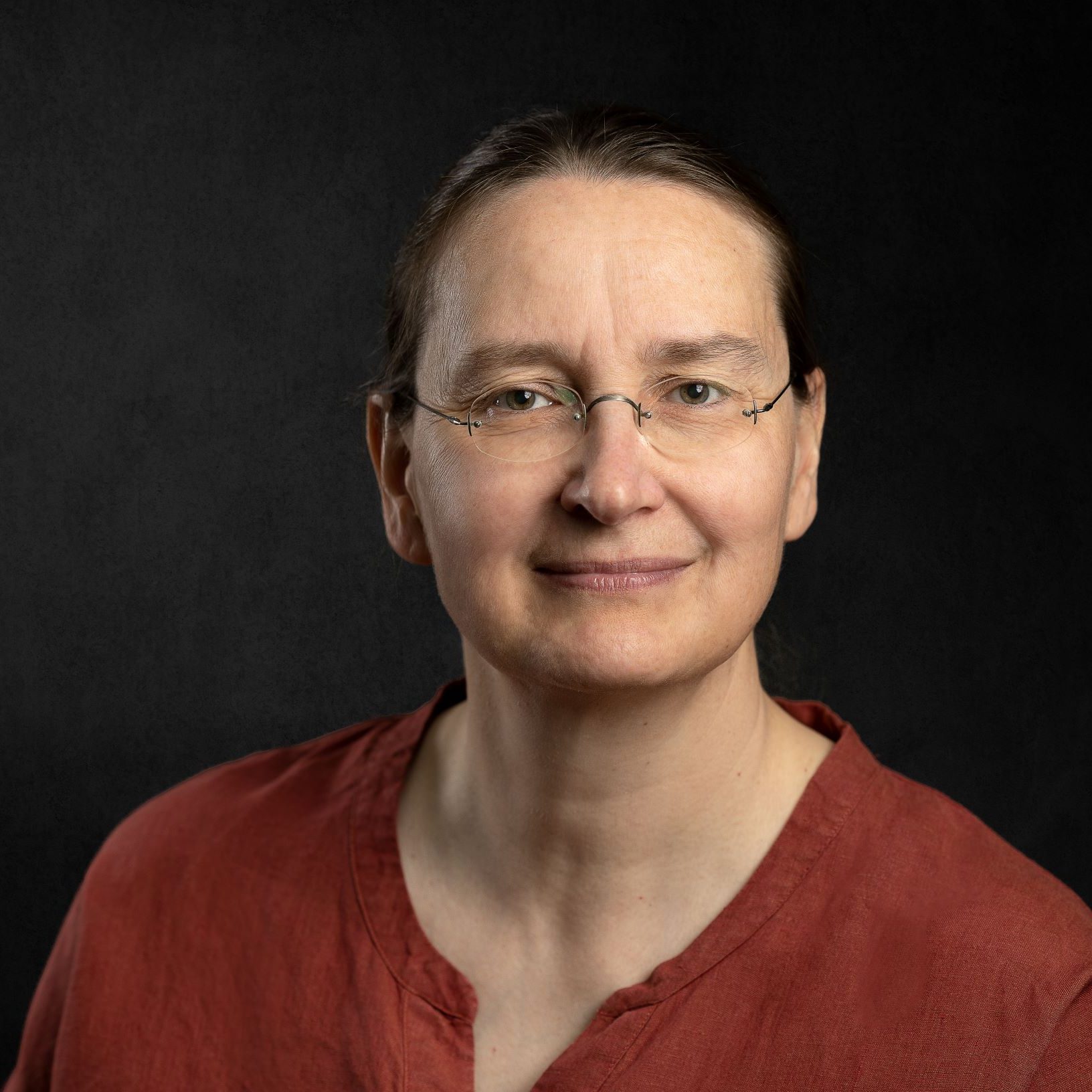
Frauke Ecke
University of Helsinki
Frauke Ecke is a Professor of Ecology at the University of Helsinki. Her research focuses on how environmental change affects wildlife, especially small mammals and zoonoses, as well as beaver, Golden Eagle and macrophytes. She also applies remote sensing technologies to monitor ecosystems and land-use impacts across spatial scales.
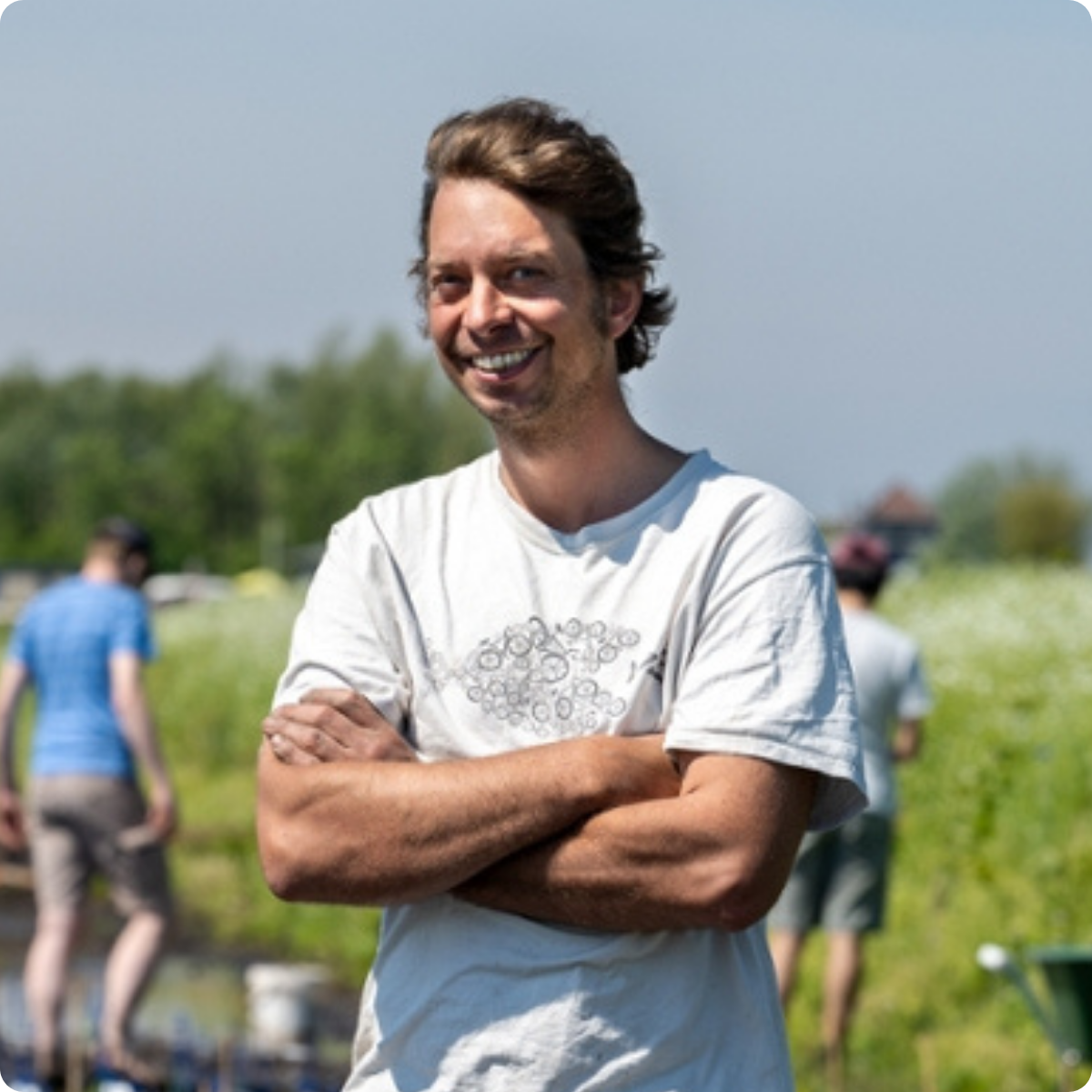
Maarten Schrama
Leiden University
Maarten Schrama is assistant professor at the Leiden Institute of Environmental Sciences. He studies how we as people – often unintentionally – promote illnesses and disease factors in the ecosystems around us. He discovered, for example, that changes in the Dutch landscape – such as intensive agriculture and the use of pesticides – are favourable for mosquitoes that transmit tropical diseases.
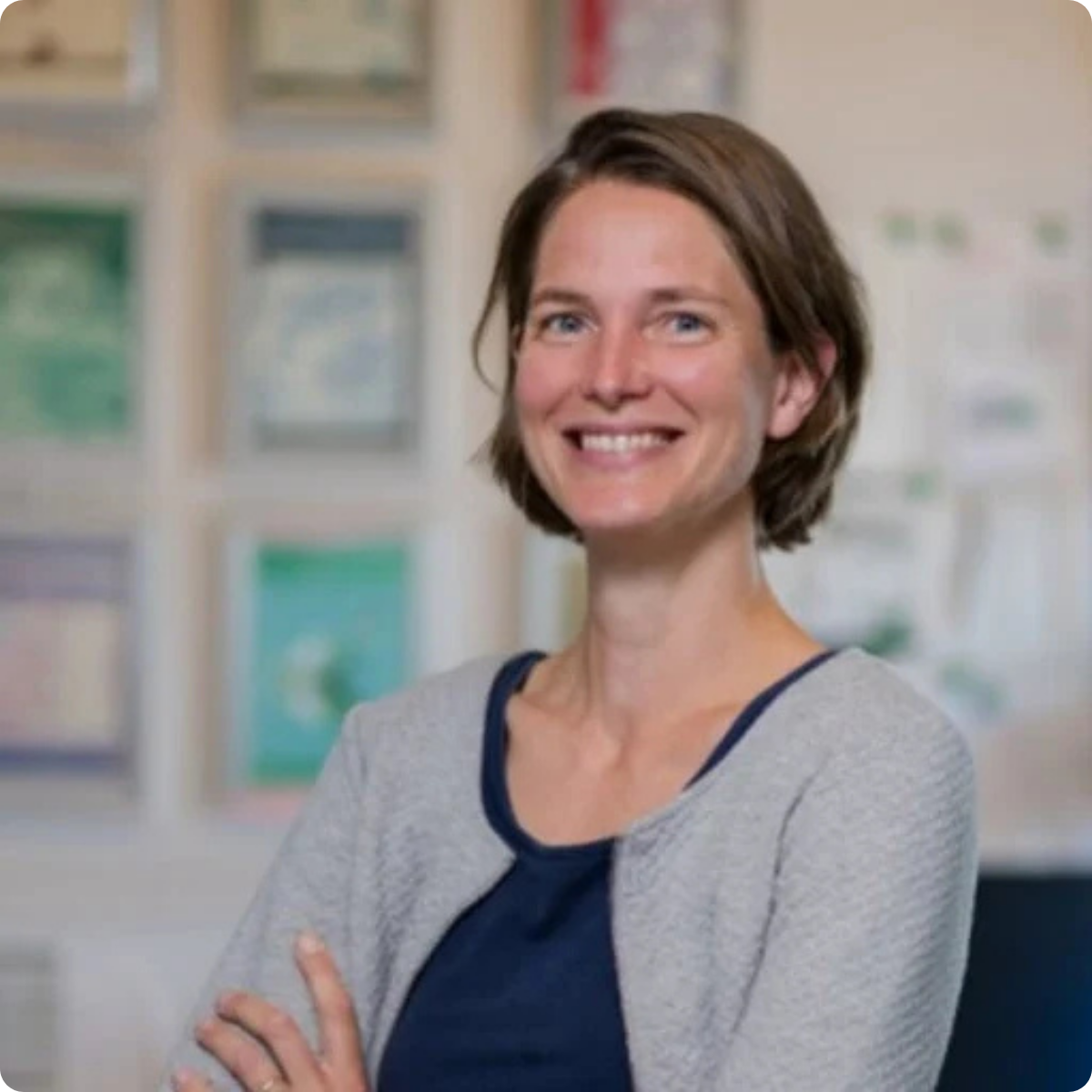
Lineke Begeman
ErasmusMC
Lineke Begeman is a veterinary pathologist trained at Utrecht University, holding a European certification in Veterinary Pathology. Her research focuses on the pathogenesis of emerging viral infections, particularly bat viruses and avian influenza, aiming to better understand disease development across species to inform prevention and treatment.

Bas Oude Munnink
ErasmucMC
Bas Oude Munnink is an assistant professor in the Viroscience department at Erasmus MC and leads the Pathogen Genomics group. His research focuses on genomic surveillance of emerging viruses, including arboviruses and SARS-CoV-2, using next-generation and metagenomic sequencing to support early warning systems and outbreak tracing.
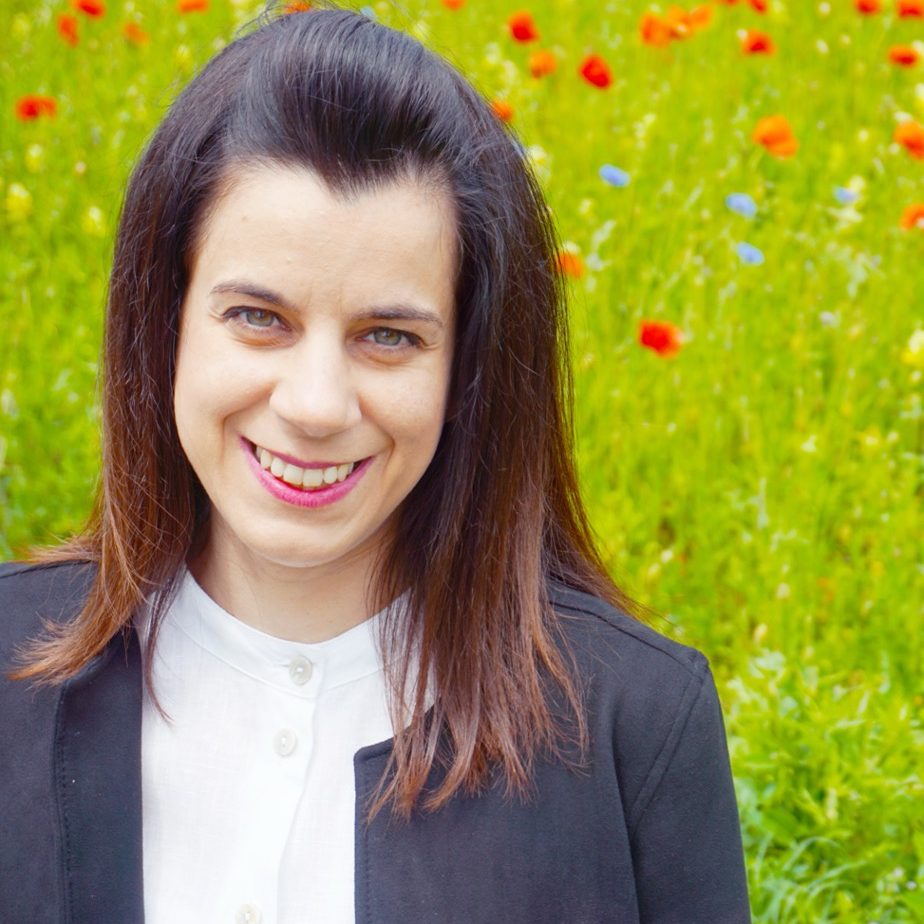
Stella Dafka
Heidelberg University
Stella Dafka is a climate scientist with a background in physics and meteorology and leads the Climate Impacts on Infectious Diseases Group at Heidelberg University. Her research explores how large-scale atmospheric circulation and anthropogenic climate change shape climate extremes and regional variability, and assesses their impacts on human health and ecosystems.
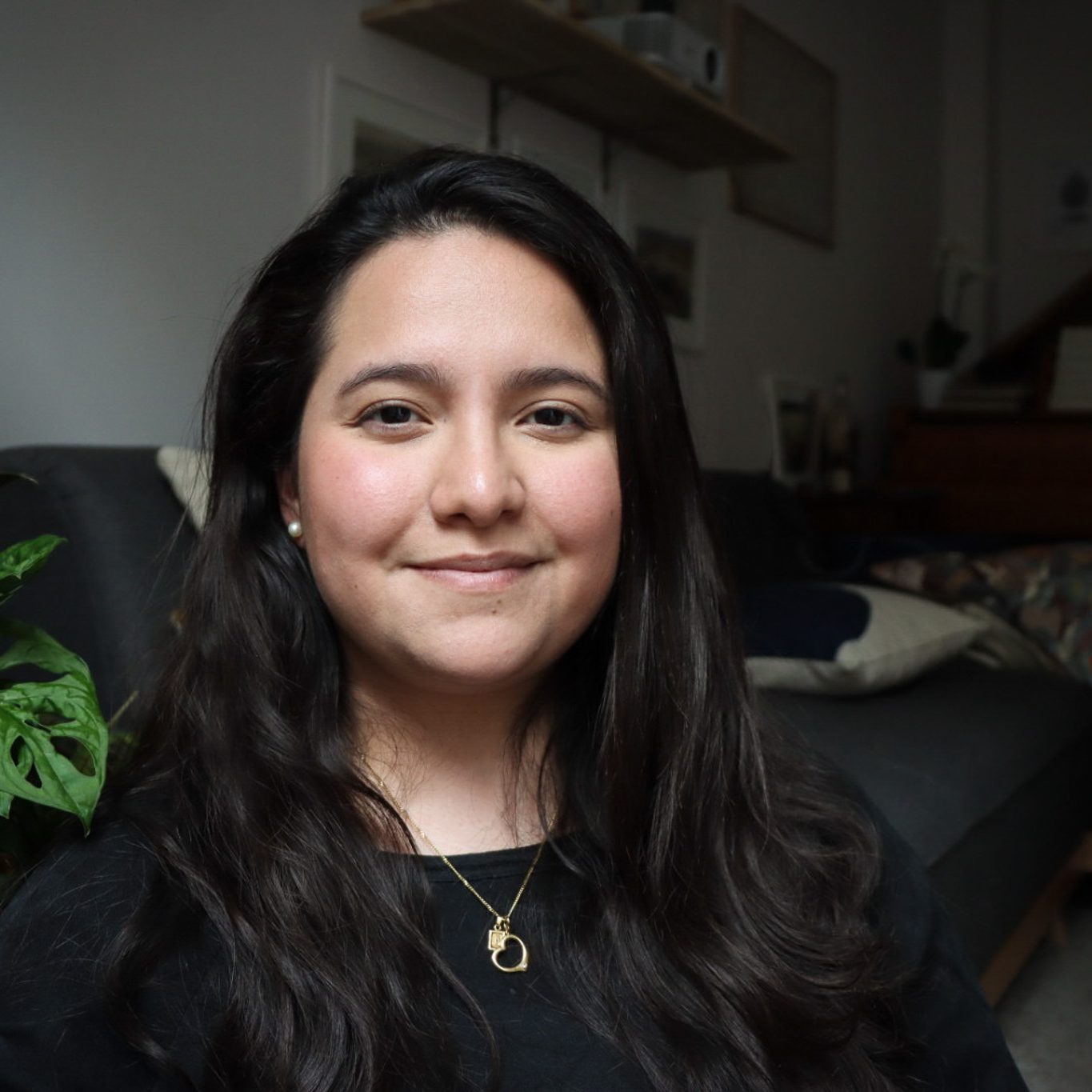
Andrea Lavarello
Heidelberg University
Andrea is a veterinarian working at the human-animal-environment interface. Her research focuses on climate-sensitive infectious diseases and One Health. She is completing a PhD in epidemiology and works in science communication and policy translation, with experience in international organisations and interdisciplinary training across public, animal and environmental health.
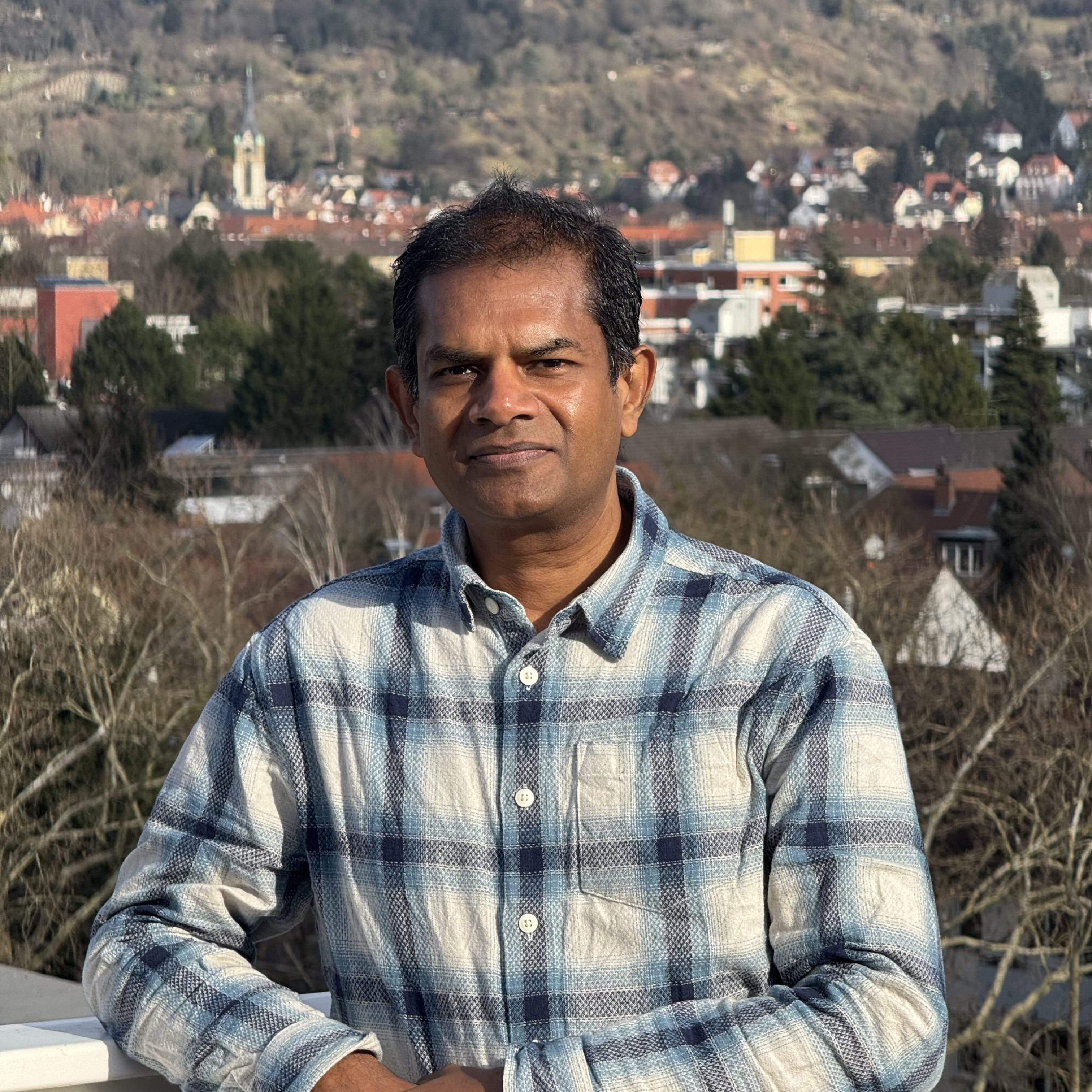
Prasad Liyanage
Heidelberg University
Prasad Liyanage is a medical doctor and epidemiologist focused on climate-sensitive health. His work uses modelling, causal inference and integrated climate-ecological data to improve surveillance, forecast outbreaks and evaluate interventions. He has conducted policy-relevant studies on dengue and other health outcomes, informing public health decisions in climate-vulnerable settings.
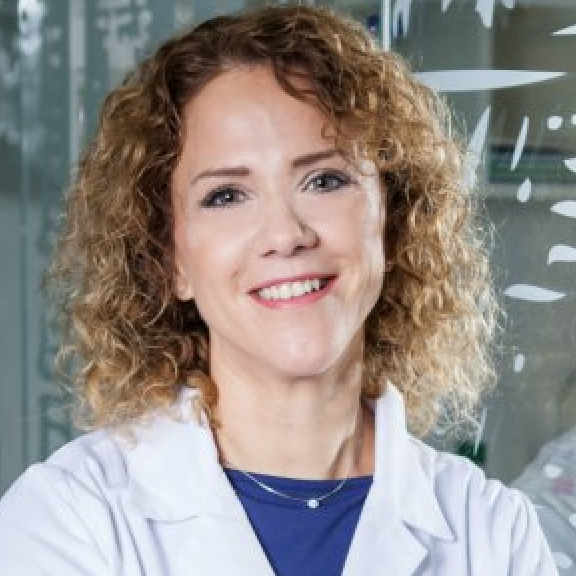
Elena Bužan
University of Primorska
Dr. Elena Bužan is a molecular biologist whose research applies genetic techniques to conservation and evolutionary questions. She focuses on how habitat fragmentation affects the genetic structure of mammals and invertebrates, and more recently sea turtles and sharks. She also leads international projects and coordinates university programmes in conservation biology.
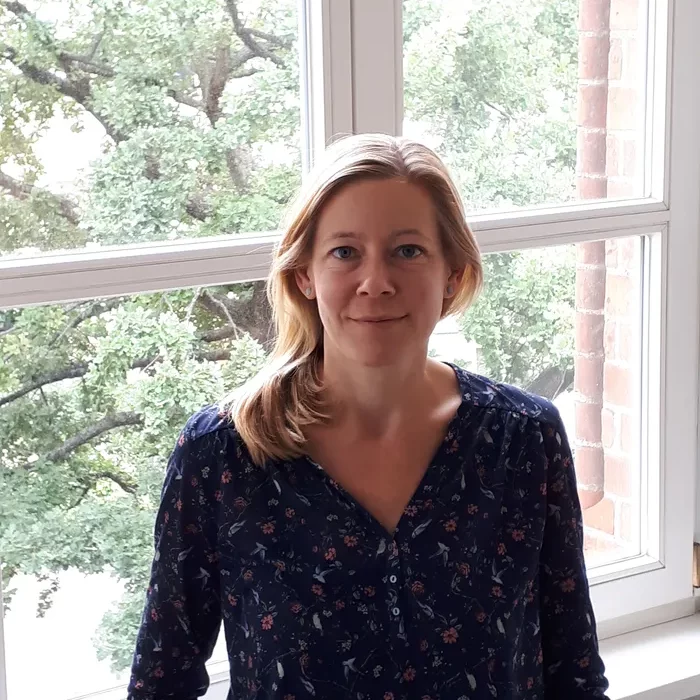
Sandra Junglen
Universitätsmedizin Berlin
Sandra Junglen studies the ecology and evolution of arthropod-associated viruses, with emphasis on genetic diversity, geographic spread and emergence of arboviruses. Her group combines evolutionary virology with fieldwork in Africa and Central America to investigate how viruses transition from enzootic cycles in wildlife to epidemic transmission in human populations.
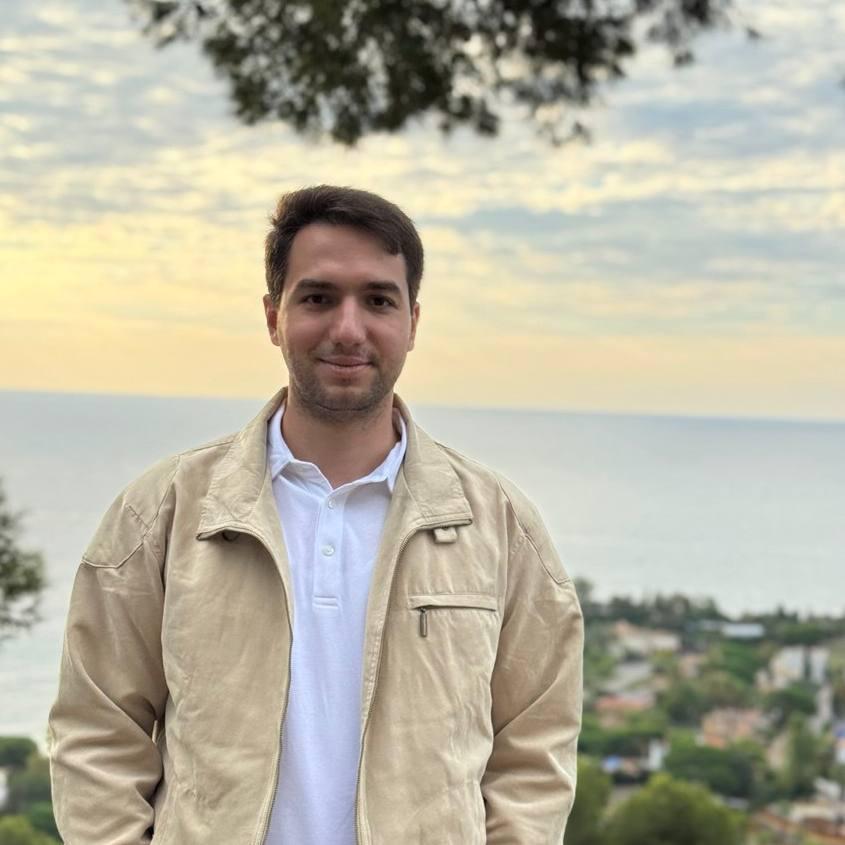
Omid Airom
Heidelberg University
Omid Airom is a doctoral student at Heidelberg University in the CSID Lab, specializing in data science for health applications. His research focuses on advancing analytical methods that support data-driven decision-making in healthcare and public health.
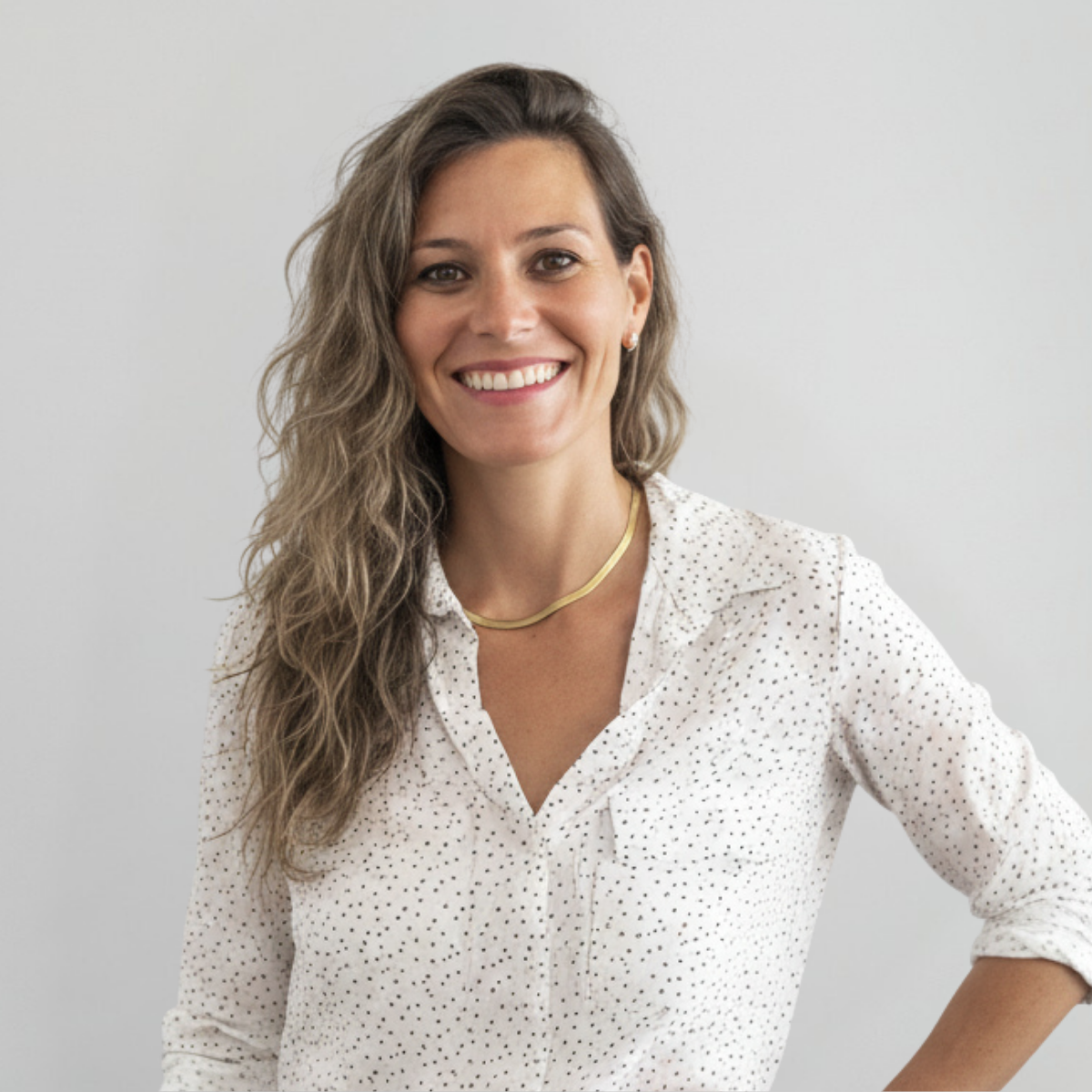
Chloe Chavardes
Three O’Clock
Chloe Chavardes is a science communication professional with two decades of experience translating complex topics into engaging public narratives. Her work spans the space sector, energy, and sustainability, where she has developed deep expertise in public engagement and strategic communication. Over the past five years, she has led projects at the intersection of climate and health, designing and delivering public programs and educational initiatives that connect science to everyday life.
Fees & funding
A small participation fee of 200€ will cover lectures, field trips, and coffee breaks.
Two different scholarship options are available. To ensure proper processing of your application by corresponding funding partner, please read and understand if you can be a recipient of a grant.
Applications
Applications are now open!
You can send your application until 1 March 2026. Note that we will only consider the applications sent through the MS Office Form.
The form contains questions about your personal background and motivation to participate in the school. You can find the list of questions here.
The One Health Summer School is organised by:

Organising committee
- Dr Reina S. Sikkema
- Dr Marina Treskova
- Dr Stella Dafka
- Andrea Lavarello Schettini
- Dr Erley Lizarazo Forero
- Dr Cora Holicki
- Anouk Gideonse
- Senani Dayabandara
- Prof Joacim Rocklöv
- Helena Broes
- Shreya Gurung